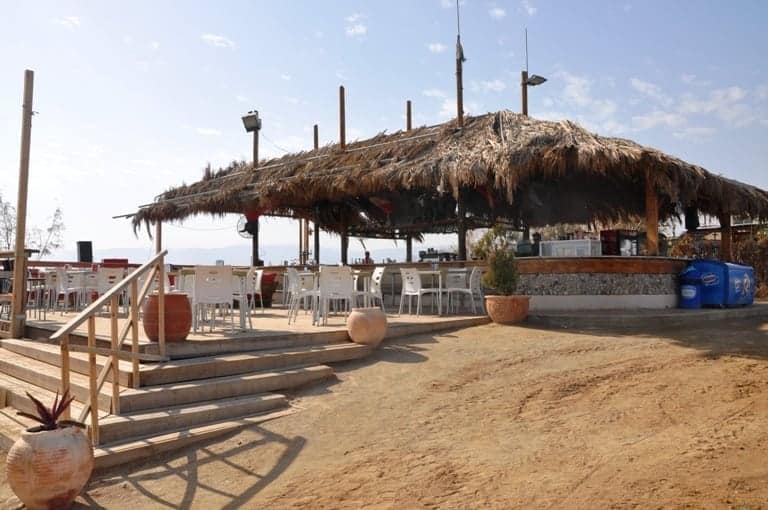
The Dead Sea is a year round destination. Water temperatures never drop below 19degrees Celsius, and the region receives fewer than 50 mm of rain annually. However,air temperature, crowd levels, hotel pricing, and overall comfort vary dramatically bymonth. This guide breaks down conditions for each period so visitors can match timingto priorities.
Month by Month Overview
| Month | Air Temp (C) | Water Temp (C) | Crowds | Hotel Pricing |
|---|---|---|---|---|
| January | 18 to 20 | 19 to 21 | Low | Lowest |
| February | 19 to 22 | 19 to 20 | Low | Lowest |
| March | 22 to 27 | 21 to 23 | Moderate | Moderate |
| April | 27 to 32 | 23 to 26 | Moderate to high | Moderate to high |
| May | 32 to 37 | 26 to 28 | Moderate | Moderate |
| June | 37 to 42 | 28 to 32 | High | High |
| July | 39 to 45 | 31 to 34 | Peak | Peak |
| August | 39 to 45 | 32 to 35 | Peak | Peak |
| September | 35 to 40 | 30 to 33 | Moderate | Moderate |
| October | 30 to 34 | 27 to 30 | Moderate | Moderate |
| November | 24 to 28 | 24 to 27 | Low to moderate | Low to moderate |
| December | 18 to 22 | 21 to 23 | Low | Lowest |
*All prices are approximate and subject to seasonal changes. Verify current fees before visiting.
October offers Dead Sea visitors average daytime air temperatures of 30 to 34 degrees Celsius, water temperatures of 27 to 30 degrees Celsius, moderate crowds, and hotel rates well below summer peaks, making it the single best month for balancing comfort, access, and value.
Best Months by Visitor Priority
For Comfortable Weather: October, November, March, April
These shoulder months deliver warm but manageable air temperatures (24 to 34 C) with water warm enough for pleasant floating. Spring visitors also benefit from the brief wildflower season in the Judean Desert and Ein Gedi Nature Reserve.
For Budget Travelers: December, January, February
Winter months offer the lowest hotel rates, often 30 to 50% below peak summer pricing. Beaches are uncrowded. Water temperatures of 19 to 22 C remain comfortable for floating, and daytime air temperatures are mild (18 to 23 C).
For Maximum Daylight and Zero Rain: June, July, August
Summer guarantees approximately 14 hours of daylight and essentially zero precipitation. However, extreme heat (39 to 45 C) limits outdoor activities during midday hours. This is peak tourist season with highest pricing and fullest beaches.
For Therapeutic Stays: November through March
Extended balneotherapy and climatotherapy visits benefit from cooler air temperatures that make prolonged outdoor time comfortable. Medical tourism clinics along the Dead Sea operate year round but have the most availability during the quieter winter season.
Dead Sea water temperature ranges from 19 degrees Celsius in February to 35 degrees Celsius in August, never dropping below a comfortable floating threshold, which means the Dead Sea is one of the only therapeutic bathing destinations on Earth that operates effectively in every calendar month.
Holidays and Events to Consider
Israeli holidays (Passover in April, Sukkot in October) bring domestic tourism surges thatincrease Dead Sea hotel occupancy and pricing. Booking four to six weeks ahead isadvisable duringthese periods. The Jewish Sabbath (Friday evening through Saturdayevening) affects some services and transportation schedules in the Ein Bokek area.
Jordanian side peak periods differ slightly, with Eid holidays and school vacationsproducing the highestdomestic tourism at Amman Beach and the Ma’in Hot Springsarea.
FAQs
What is the best month to visit the Dead Sea?
October is the best month to visit the Dead Sea for most travelers. It offers warm but comfortable temperatures (30 to 34°C), pleasant water conditions, moderate crowds, and lower hotel prices compared to peak summer. March and November are also excellent alternatives.
Is it worth visiting the Dead Sea in winter?
Yes, visiting the Dead Sea in winter is worth it. Daytime temperatures are mild (18 to 23°C), the water remains warm enough for floating, and crowds are minimal. It’s also the most affordable season, though evenings can be cooler and daylight hours shorter.
How far in advance should you book a Dead Sea hotel?
You should book Dead Sea hotels 4 to 6 weeks in advance during peak periods such as summer (June to August) and major holidays. In shoulder seasons and winter, last-minute bookings are often available, sometimes at discounted rates.
Can you float in the Dead Sea all year round?
Yes, you can float in the Dead Sea year-round. Water temperatures typically range from 19 to 35°C, making floating possible in every season. The experience varies from hot summer conditions to a more refreshing contrast between cool air and warm water in winter.