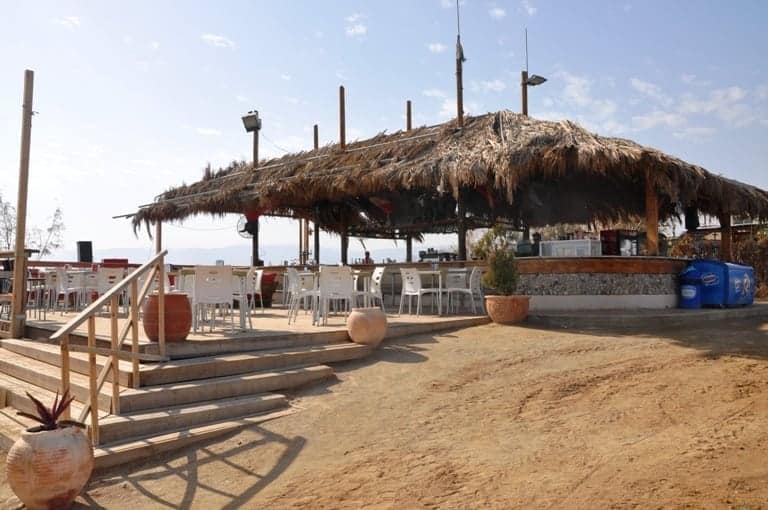
By DeadSea.com Editorial
Last reviewed: September 2026
Reaching the Dead Sea from Jerusalem in one day works for most visitors when you choose one main experience and secure the return first. Treat park access as a travel-date decision; the simplest default is a managed beach. With a car, you can add Qumran or Masada, but trying to combine Masada, Ein Gedi and a float creates a rushed day with too many points of failure.
Start with the Plan Israel hub if you are still choosing where to stay. If this is a same-day return, use the three plans below and pick the one that remains comfortable after transport, heat and closing times are applied.
Choose your Jerusalem day plan in 30 seconds
| Plan | Best for | Main commitment | Main limitation |
|---|---|---|---|
| Managed beach only | First visit, no car, relaxed pace | Lock both bus directions before leaving | Little room for a second attraction |
| Qumran plus northern beach | History-first travelers with a car | Reserve Qumran and confirm beach access | More driving than a beach-only day |
| Masada plus Ein Bokek | Early drivers who want one major site | Reserve Masada and protect the beach window | Heat can remove the hiking option |
The beach-only plan is the safest default for a first visit. The Qumran plan has a clear historical focus. Masada offers the biggest day, though it depends most heavily on weather, reservations and an early start.
Choose by the constraint you cannot move. For a bus traveler, that is usually the final departure; for a driver, it may be heat, park entry or fatigue. Once that boundary is fixed, remove any stop that leaves no ordinary delay margin for changing, food, parking or the return climb to Jerusalem.
That margin matters every time, especially before the return.
A successful Dead Sea day trip from Jerusalem is built backward from the return. Confirm the last realistic departure, allow time to rinse and change, then choose the attraction that fits inside the remaining window. A longer wish list does not create a longer day.
Before choosing, lock the return
Public transport can work, but a route number is not a timetable. Use the official journey planner for your exact date, check both directions and confirm whether advance seat reservation applies. The Dead Sea transportation guide explains the current planning method without turning one day’s schedule into a permanent promise.
If you drive, save the exact destination before leaving Jerusalem. “Dead Sea” can mean a northern paid beach, Qumran, Ein Gedi, Masada or the southern hotel zone; these are separate stops along Route 90, not one walkable attraction.
Keep the final hour uncomplicated. A beach visit includes changing, showering and reaching the stop or car. Park admission often ends before the published closing time, and a heat or flood notice can alter the route even when the gate remains open.
Plan 1: a managed beach without a car
This plan suits travelers who want the float itself and do not need a major archaeological site; find the exact travel-date route from Jerusalem to a managed beach stop, then book or save the return before departure. Do not choose a beach from a photograph alone; confirm that the stop, entrance, freshwater shower and active lifeguard service all match.
Ein Bokek is the most facility-led southern choice. The Ein Bokek public beach guide covers the promenade and visitor setup. Northern options such as Kalia Beach can shorten the road journey from Jerusalem, though admission and services belong to the operator and need a current check.
At the water, use a declared beach during active lifeguard hours. Follow the posted instructions: enter through the marked access, sit before reclining onto your back, keep your head out, avoid splashing and do not swallow the water. If you do swallow it, get help from the lifeguard or medic immediately; the Dead Sea swimming rules explain the full safety sequence.
Leave enough time to rinse, change and walk back to your departure point; a return that is theoretically possible with a two-minute connection is not a workable travel plan.
Plan 2: Qumran and a northern managed beach by car
Choose this plan when the Dead Sea Scrolls context matters more than a long beach stay. Qumran National Park combines an archaeological site, museum displays and views toward the caves. Reserve the visit, check the current last-entry rule and keep the historical claim narrow: the Essene association is an important interpretation, not settled authorship of every scroll.
After Qumran, continue only to a declared, operating managed beach; do not turn off Route 90 onto an unmarked shoreline track; shore retreat and sinkholes make improvised access a poor shortcut, even when the water looks close.
This pairing works because each stop has one job. Qumran provides the history; the beach provides the float and rinse. If the park time moves or the weather reduces the safe outdoor window, keep the beach and release the museum plan without trying to recover every lost minute.
Plan 3: Masada and Ein Bokek by car
Masada and a supervised float can fit into one Jerusalem day when you leave early and treat the cable car as the dependable access option. Reserve the Masada National Park visit before departure. Check the current park notice, last entry and any heat restriction on the Snake Path; a reservation does not override a safety closure.
The east entrance connects naturally to Route 90 and the Ein Bokek hotel corridor; after Masada, drive south for a managed beach visit, shower and meal. Avoid adding Ein Gedi merely because it appears on the same map. Its route access is currently limited and reservations are separate, so it deserves its own decision through the current Ein Gedi guide.
Masada plus a float is a two-part day, not permission to collect every nearby landmark; if heat closes the path, use the cable car or change the attraction. If the beach lifeguard window becomes too short, keep Masada and move the float to another day.
Timing, weather and what to carry
Check the Dead Sea weather guide on the morning of travel and use official alerts for the final decision. Heat affects walking comfort and park routes. Rain far from the hotel can create flash-flood risk in desert channels, so a clear sky above Jerusalem does not clear a wadi plan.
Pack for one clean transition from road to beach. The Dead Sea packing list covers the full set, but the essentials are simple: drinking water, sun protection, swimwear, dry clothes, a towel if your access does not provide one, footwear that suits the actual entry surface, medication and your return details.
Budget each component separately. Transport, parking, admission, food and equipment rental can change independently. The current Dead Sea trip cost guide gives an updatable method for comparing a bus day, shared car and overnight alternative.
Before leaving the beach, check that every traveler is dry, comfortable and accounted for; drivers should have food, a rest and enough alertness for the climb back toward Jerusalem. Bus travelers should move to the correct stop early, with the booking and alternative contact details already saved offline.
Frequently asked questions
How long does a Dead Sea day trip from Jerusalem take?
Allow a full day once transport, changing and the return margin are included. The road time depends on the exact beach or park, traffic and route conditions, so calculate it for your date instead of using one regional average. A managed beach alone needs less schedule protection than Masada plus Ein Bokek.
Is there a direct bus from Jerusalem to the Dead Sea?
Direct services can appear in the travel-date planner, including routes serving Ein Gedi and the hotel area, but the network and departure pattern can change. Check the exact origin, beach stop and return on the official planner, then confirm whether a reserved seat is required. Do not build the day from an old route number alone.
Can I visit Masada and the Dead Sea in one day from Jerusalem?
Yes, for an early driver who reserves Masada and protects a supervised beach window. Use the east entrance if it fits your Route 90 plan, check heat restrictions and treat the cable car as the more predictable ascent. Skip an added Ein Gedi hike; the two-stop version leaves room for delays and a safe return.
Which Dead Sea beach is closest to Jerusalem?
Northern managed beaches require less driving than Ein Bokek, but “closest” does not answer the whole decision; compare admission, active lifeguard hours, showers, current access and the return route. Ein Bokek is farther south but offers a broad public-beach and promenade setup, which can be easier for a first visit.
Should I book a tour or travel independently?
A tour can solve transport and return timing, while independent travel gives more control over pace and beach choice; compare the exact included beach, park admission, time at each stop, cancellation terms and pickup point before paying. Its title guarantees none of that.