By DeadSea.com Editorial
Last reviewed: September 2026
For a first Dead Sea visit, choose a declared beach with active lifeguard service and freshwater showers. Read the signs before changing, enter at the marked point, sit and recline onto your back, keep your head out and avoid splashing. You do not need to chase mud, a time target or a perfect photograph.
Start with the Plan Israel hub and keep this guide on Israel’s shore; the eight steps below cover the full visit from beach choice to the return.
Set up a managed first visit
1. Choose the access point, not just the view
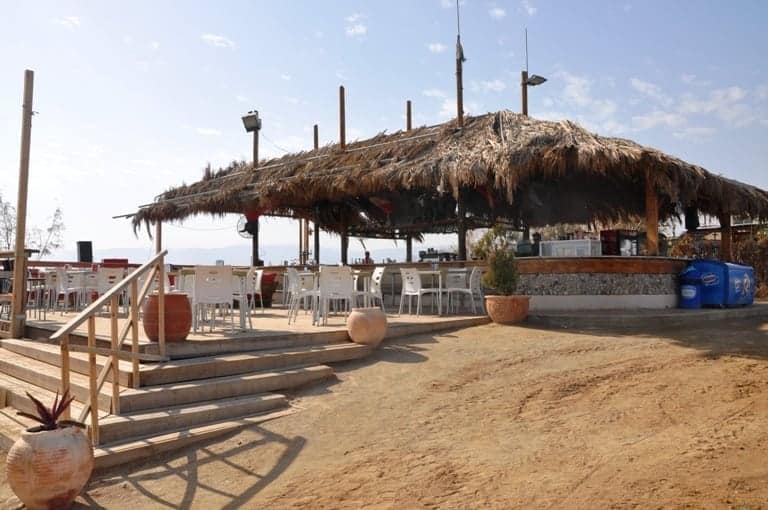
Choose a declared access point before leaving home. The Israel Dead Sea beach guide compares free public and paid managed beaches; the Ein Bokek public beach guide covers marked access, showers, changing facilities and the promenade in the central visitor zone.
Confirm active lifeguard service, entry surface, freshwater shower, restroom and parking or bus stop. Mud, towel, locker and chair availability are separate questions. Do not use an unmarked shoreline track or a closed beach because it looks quiet.
2. Read the beach rules before entering
The local authority’s special instructions are direct: do not dive, jump, put your head under, splash or swallow the water. Use a gangway when available, sit down and then recline backward; if you swallow water, get immediate help from the lifeguard or medic.
Read the swimming rules before travel. That leaves more attention for the actual entry surface and lifeguard instructions at the beach.
Your first float needs three things: a declared access point, an active lifeguard and a working freshwater shower. The famous buoyancy does not replace those controls. Set up the exit before entering, then let the visit be short or long enough for the real conditions.
Enter and respond safely
3. Enter slowly and float on your back
Walk only through the marked access; sit, then recline backward until the water supports you, and keep your face and head clear. Avoid forceful kicking, turning onto your stomach or trying to swim a normal pool stroke.
The how to float guide explains the motion. There is no need to prove that you can stay in for a published number of minutes; exit when the lifeguard directs, the conditions change or you feel uncomfortable.
4. Protect eyes and broken skin
Keep hands away from the face while they are wet; contact-lens wearers should keep lenses away from water. If water reaches an eye, exit and rinse gently with clean, not hot, fresh water for at least 20 minutes.
Do not rub. Seek urgent professional help for persistent severe pain, vision change or another serious symptom.
There is no universal shaving interval that guarantees comfort; broken, irritated or open skin needs a cautious decision, and if the skin is not intact or the traveler is uncertain, skipping water entry is valid.
Keep expectations realistic
5. Expect variety, not one scripted sensation
Some visitors feel supported immediately; others need a moment to trust the posture, while skin sensation differs with cuts, sensitivity, products and the water. The day can also feel hot, windy or cool depending on season and time.
Your first float may not feel relaxing straight away. The first visit can be surprising, awkward, brief and still worthwhile. A traveler who dislikes the sensation can exit, rinse and enjoy the promenade without trying again.
6. Treat mud as optional
Mud is not guaranteed at every beach, and the available product can be natural, packaged, included or sold separately. Confirm the exact venue if mud matters. Do not collect material from an unmarked shore or present mud use as medical treatment.
Rinse afterward. If a managed venue supplies mud, follow its instructions and keep it away from eyes and broken skin; for a first visit, the main experience remains the managed beach, not completing a ritual seen in a photograph.
Pack and protect the return
7. Pack for the exit
The Dead Sea packing list covers the complete kit. Keep drinking water, sun protection, swimwear, dry clothes, medication, a towel when not provided and footwear suited to the real entry surface where you can reach them.
Bring a waterproof pouch only if it helps with essentials; do not carry valuables into the water. Confirm whether the beach has a locker. Drivers should keep a dry seat cover or spare layer separate from wet gear.
8. Leave time for the return
The visit includes rinsing, changing, walking to the stop or car, food and rest. Lock the return with the Dead Sea transportation guide. Travelers from Jerusalem can use the Jerusalem day-trip guide; travelers from Tel Aviv need a larger same-day margin.
The final hour is where first-time plans often fail. Stop the water visit early enough to rinse, change, eat and reach the departure point without rushing. A missed bus or tired late drive can outweigh the extra few minutes gained at the beach.
Timing, weather and who may skip the water
Check the Dead Sea opening-hours guide and weather guide before departure. Enter only during active lifeguard service. Move demanding outdoor activities to a cooler period and follow current heat or flood instructions.
Children, travelers with mobility needs and anyone with a health concern need a separate decision; use the Dead Sea with kids guide and accessibility guide for task-specific planning. Individual medical questions belong with a qualified healthcare professional.
Skipping the water is always acceptable. Masada, Qumran, the Ein Bokek promenade and a currently open Ein Gedi route can still make a complete Dead Sea trip.
Frequently asked questions
Do I need to know how to swim in the Dead Sea?
Normal pool swimming is not the goal. Enter through a marked access point, sit and recline onto your back, keeping your head out; buoyancy does not remove drowning risk or the need for active lifeguard service, and a traveler who cannot follow the posture or recover calmly should skip entry.
How long should a first Dead Sea float last?
There is no current public-authority duration that fits every visitor. Follow the lifeguard, conditions and your own comfort, then exit before fatigue or irritation grows. Do not stay in to complete a number from an old guide, and never extend the visit beyond active lifeguard service.
Will the Dead Sea sting my skin?
Sensation differs. Broken, irritated or freshly treated skin can sting, while another traveler may feel little discomfort. No fixed shaving interval guarantees comfort. If skin is open, damaged or uncertain, skip the water and ask a qualified professional about any individual health concern.
Is mud free at Ein Bokek?
Do not assume it is. Mud availability and whether it is natural, packaged, included or sold separately depend on the exact beach and date; choose Ein Bokek for its managed public-beach setup, then verify mud separately if it matters for that visit. Never collect material from an unmarked shoreline.
What happens if water gets in my eyes?
Exit and rinse gently with clean, not hot, fresh water for at least 20 minutes. Do not rub the eye. Seek urgent professional help for persistent severe pain, vision changes, inability to open the eye or another concerning symptom. Do not rely on a promise that it will resolve quickly.
Is the Dead Sea safe for children?
There is no universal minimum age in the current public guidance. Readiness depends on the child, ability to follow instructions and touching-distance adult supervision at a managed beach; a child who is young, anxious, has broken skin or cannot avoid splashing should stay out and use another activity.