 COMPLETE GUIDE
 Dead Sea Beaches in Israel: Complete Guide to Every Shore
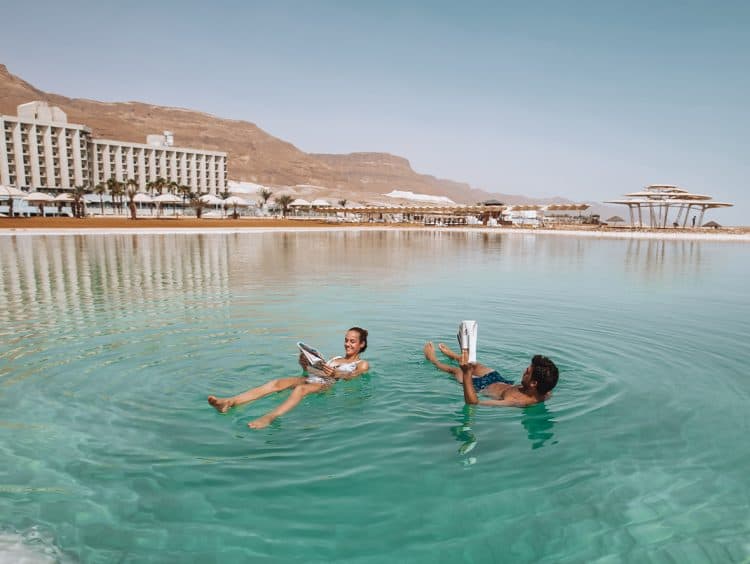
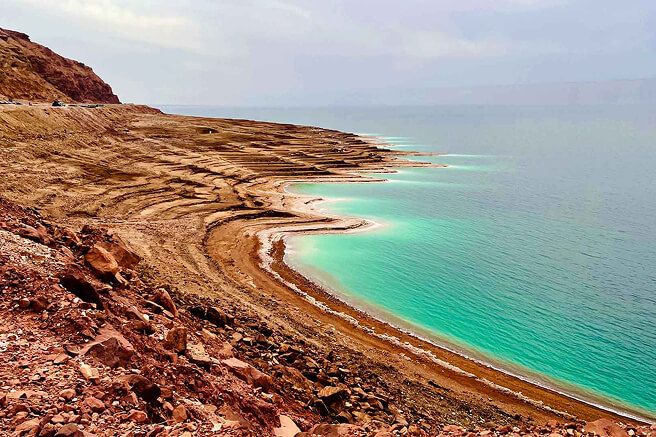
Israel’s Dead Sea coast runs along the western shore of the lowest body of water on Earth, at approximately 439 meters below sea level. Seven distinct beach zones remain open to visitors, divided into three clusters that differ sharply in cost, character, and what they offer. Three free beaches line the southern hotel district. Three paid beaches sit along the northern natural basin. One spa complex operates in the central section where two former beaches have been lost to sinkholes.
Choosing the right beach depends on what you prioritize: free access and calm water, natural mineral mud, proximity to Jerusalem, or a quiet shoreline with fewer visitors. This guide breaks down every open Dead Sea beach in Israel to help you decide before you arrive.
Complete Comparison
| Beaches | Zone | Cost | Mud? | Key Facilities | Best For | Crowd | Water Condition |
|---|---|---|---|---|---|---|---|
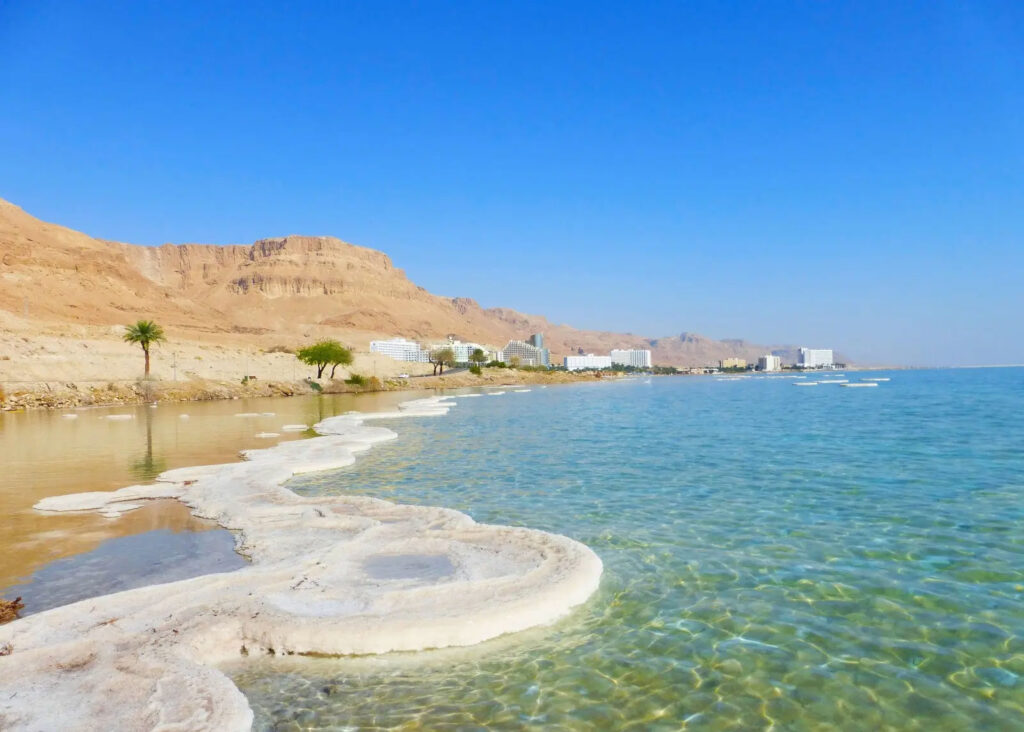
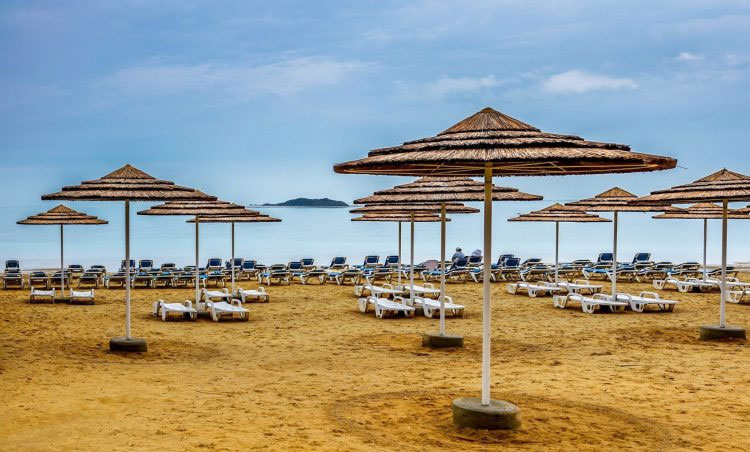
| Ein Bokek Beaches | South | Free | No | Showers, chairs, umbrellas, lifeguard, BBQ areas, snack bars, Ein Bokek Mall nearby | International tourists, families, hotel guests, first-time visitors | High | Calm, clear, very salty (evaporation pools) |
| Neve Zohar Beach | South | Free | No | Showers, toilets, lifeguard, chair rental, hot springs nearby | Budget visitors, quiet seekers, hot springs enthusiasts | Low | Calm, clear, very salty |
| Kalia Beach | North | 54 NIS per adult (children under 13 free) | Yes | Lockers, showers, sulfur baths, restaurant, bar, BBQ, souvenir shop, lifeguard | Day trippers from Jerusalem, mud seekers, groups | Medium to High | Choppy, murky, natural basin |
| Biankini Beach | North | Approximately 25 USD for day visitors (verify current rates) | Yes | Pool, Moroccan restaurant, bar, cabins, gym, lockers, showers, event hall | Israeli families, nightlife seekers, Moroccan food fans | High (holidays) | Choppy, murky, natural basin |
| Neve Midbar Beach | North | Approximately 50-85 ILS per person (verify before visiting) | Yes | Bar, thatched huts, volleyball, spa treatments, camping, showers | Campers, couples, stargazers, nature lovers | Low to Medium | Choppy, murky, natural basin |
| Mineral Beach at the Dead Sea | South | N/A | Yes | Mud stations,Showers,Spa facilities,Lifeguards,Dining and changing rooms | Not accessible | Medium to High |
*All prices are approximate and subject to seasonal changes. Verify current fees before visiting.
Israel's Dead Sea coast has seven accessible beach zones: three
free beaches in the southern hotel district near Ein Bokek, three paid beaches in the northern basin near Kalia (approximately 55 NIS each) that offer natural black mineral mud with over 35 minerals, and one spa complex in the central section near Ein Gedi.
Southern Beaches: Free Access Along the Hotel Strip
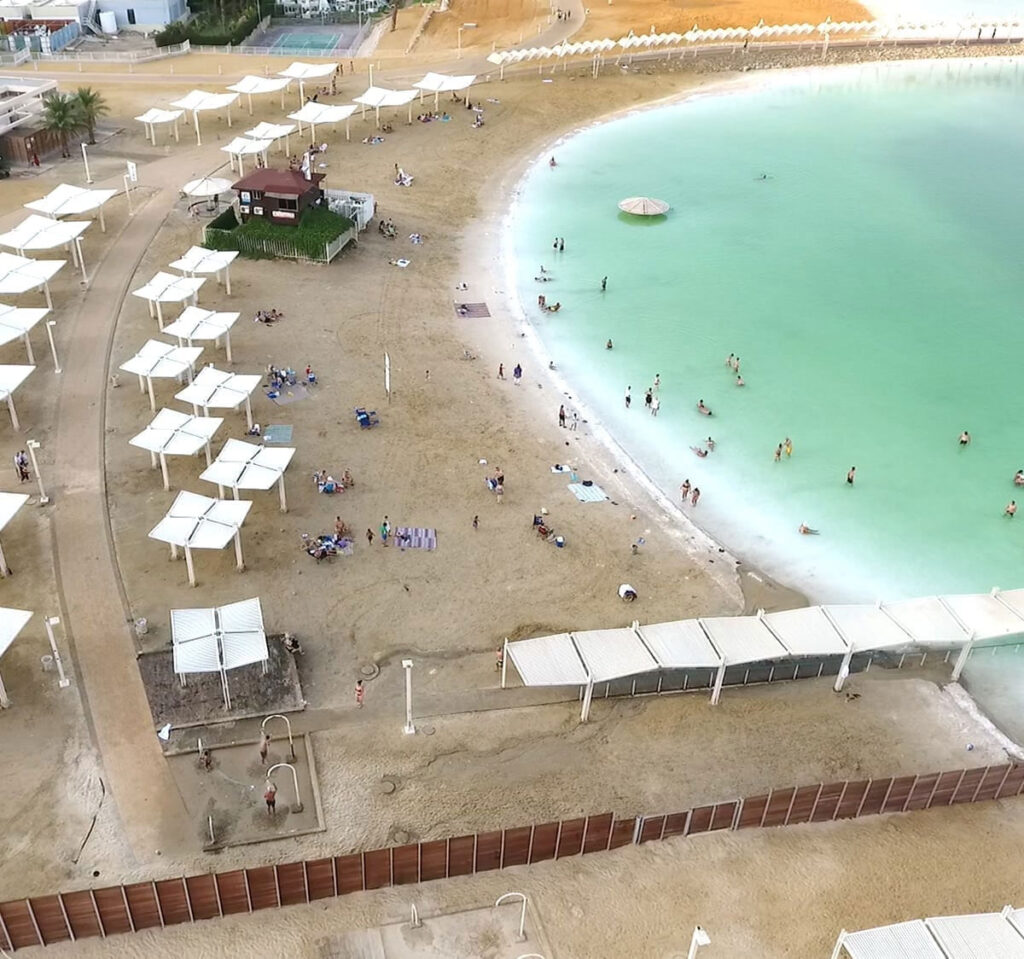
The three free beaches cluster between Ein Bokek and Neve Zohar in the southern Dead Sea district, along a stretch of Route 90 lined with hotels, restaurants, and shops. All three offer lifeguard coverage, freshwater showers, and calm water conditions.
Dead Sea Beach Quick Facts
| Fact | Detail |
|---|---|
| Total Accessible Beach Zones | 7 (3 free in south, 3 paid in north, 1 spa complex) |
| Free Beaches | Ein Bokek, Neve Zohar, Segregated Beach (all southern) |
| Beaches with Natural Mud | Kalia, Biankini, Neve Midbar (all northern, paid entry) |
| Closest Beach to Jerusalem | Kalia Beach (approximately 35 minutes by car) |
| Closest Beach to Tel Aviv | Kalia Beach (approximately 90 minutes by car) |
| Permanently Closed | Ein Gedi Beach, Mineral Beach (sinkholes) |
| Water Temperature (Winter) | Approximately 20 to 24°C |
| Recommended Soak Time | 15 to 20 minutes per session |
| Dead Sea Salinity | 34.2% (approximately 10 times ocean salinity) |
Northern Beaches: Paid Entry, Natural Mud, Closer to Jerusalem
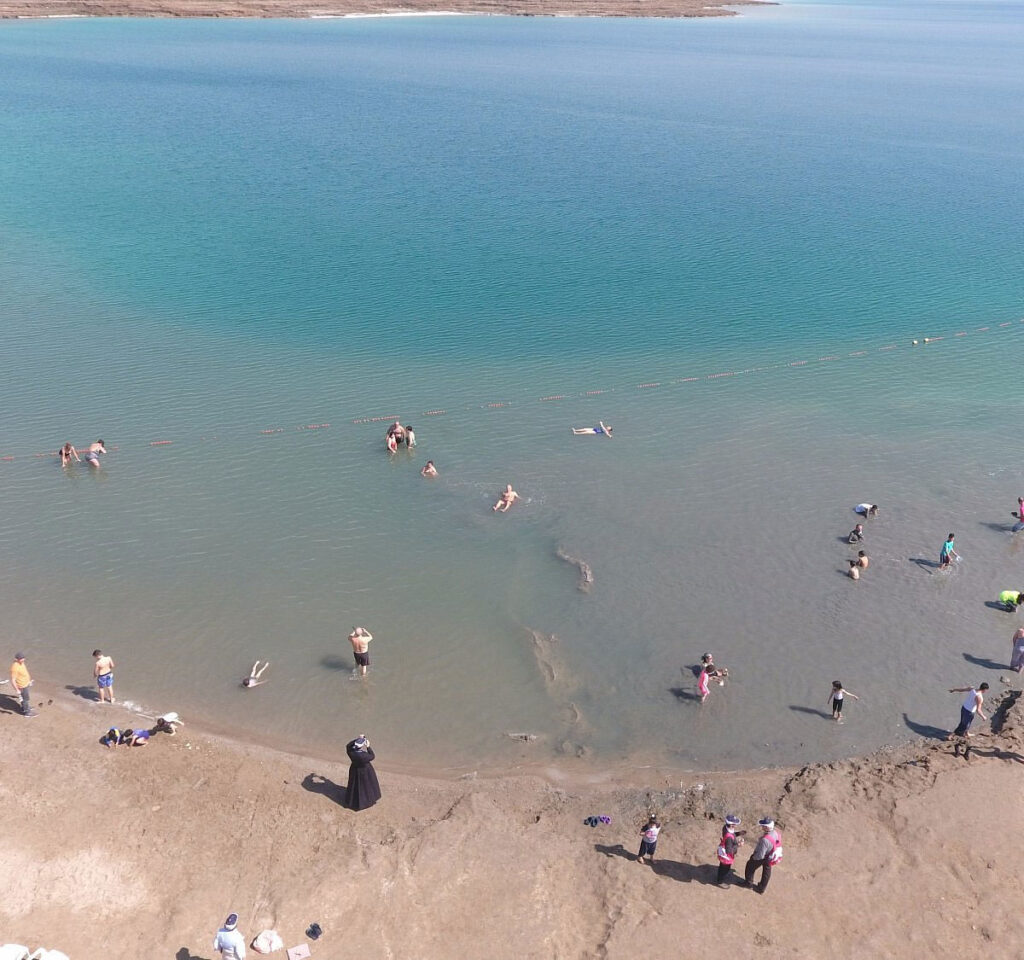
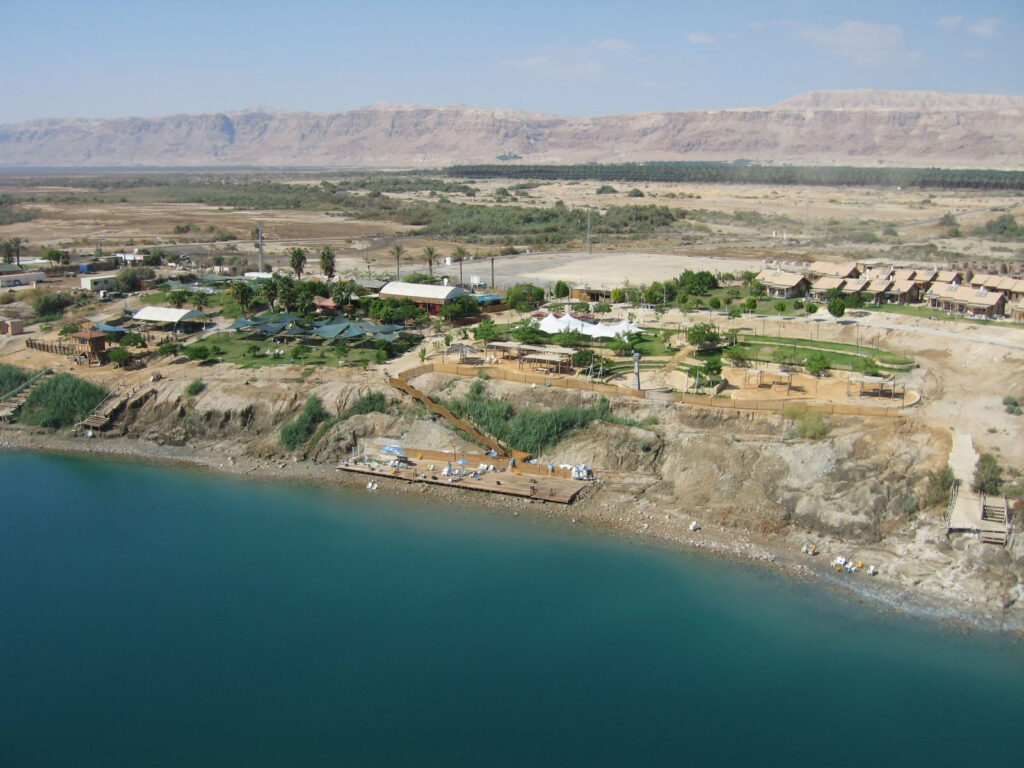
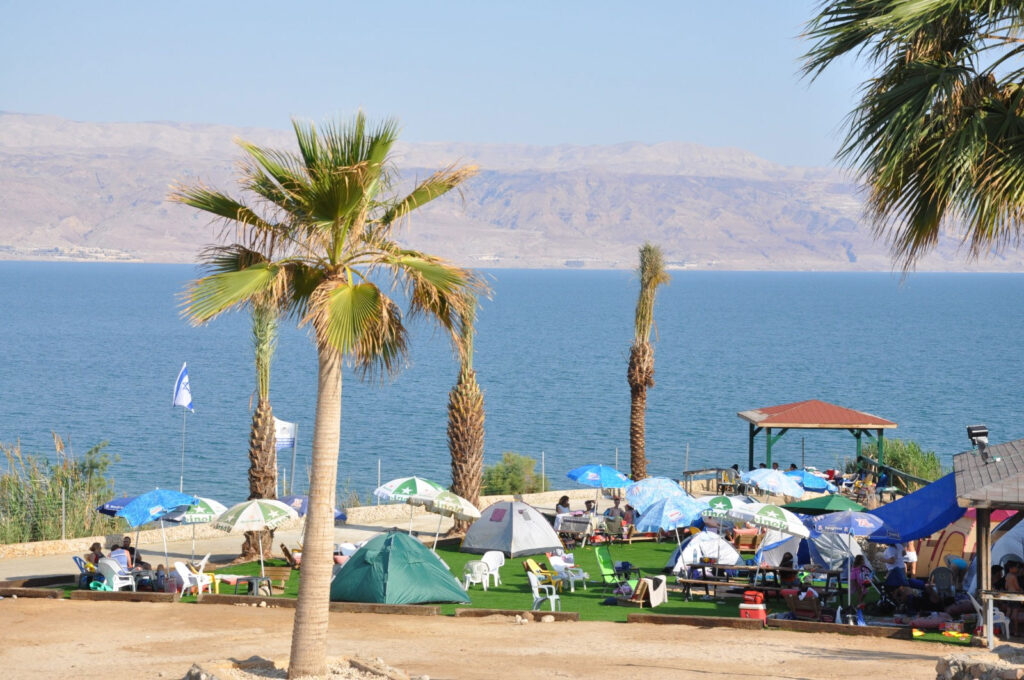
Three paid beaches line the northern Dead Sea basin within 35 to 45 minutes of Jerusalem. This is the natural Dead Sea (not the managed southern evaporation ponds), and its shores accumulate the famous black mineral mud that visitors apply as a skin treatment. Each beach charges approximately 55 NIS entrance (prices fluctuate seasonally) and provides substantially more infrastructure than the free southern options, including lockers, restaurants, pools, and organized camping.
The water here differs markedly from the south: choppier, murkier from suspended mineral sediment, and bordered by a shore of pebbles, stones, and mud rather than sand. Water shoes are strongly recommended.
Northern Beaches vs. Southern Beaches: Which Side to Choose
The single most important decision for any Dead Sea beach visit in Israel is north versus south. These two zones sit on different bodies of water, offer fundamentally different experiences, and attract different audiences.
| Feature | Northern Beaches | Southern Beaches |
|---|---|---|
| Entrance Fee | Paid (approximately 55 NIS) | Free |
| Natural Mud | Yes, directly on the shoreline | No natural mud available |
| Water Body | Natural Dead Sea (northern basin) | Evaporation ponds (southern basin) |
| Water Conditions | Choppy waves, murky, high mud content | Calm, clear, extremely salty |
| Drive from Jerusalem | Approximately 35 to 45 minutes | Approximately 90 minutes |
| Facilities | Full amenities included in fee (lockers, restaurants, pools) | Basic amenities (showers, chairs, snack bars) |
| Atmosphere | More rugged, activity-oriented, popular with Israelis | Resort-oriented, tourist-friendly, calmer |
| Best For | Mud experience, short day trips, camping | First-time visitors, families, resort stays |
The northern basin is the natural Dead Sea, with uncontrolled water levels and active geological processes. The southern basin dried up decades ago and was replaced by industrial evaporation ponds operated by Dead Sea Works. The water piped into the southern basin is exceptionally calm and clear, but no natural mud accumulates on its shores. Visitors floating at Ein Bokek are technically floating in a managed reservoir, not the original Dead Sea body. Most visitors report no discernible difference in the floating experience.