By DeadSea.com Editorial
Last reviewed: September 2026
The best Dead Sea 3-day itinerary uses one main base and one demanding activity per day. Day one is for arrival and a managed float. Day two pairs Masada with rest.
Day three chooses either the currently available Ein Gedi route or Qumran, not both; this pace leaves room for heat, reservations and a genuine rest.
Start with the Plan Israel hub to choose the Israeli shore and lodging area; Ein Bokek is the simplest first-time base because it places a public beach, promenade and hotel corridor together.
The plan also works in reverse when transport or a reservation requires it; keep the same rule: one demanding commitment per day.
The three-day plan at a glance
| Day | Morning | Afternoon | Release if conditions change |
|---|---|---|---|
| 1 | Travel and check-in | Managed beach and easy promenade | Skip the water if lifeguard service or conditions do not fit |
| 2 | Reserved Masada visit | Lunch, rest and optional short float | Use cable car or move Masada if heat restrictions tighten |
| 3 | Ein Gedi accessible segment or Qumran | Return journey | Keep only one site if timing shifts |
This itinerary assumes three nights are not required. You can arrive on day one and leave on day three, though a final night makes the return easier; travelers coming from Tel Aviv should compare a same-day return with an overnight extension before deciding which gives better value.
Three days should create margin, not a longer checklist. Give each morning one main commitment and each afternoon one flexible choice. When weather or access changes, release the optional item; do not compress two days of activity into the hours that remain.
Day 1: arrive, orient and float
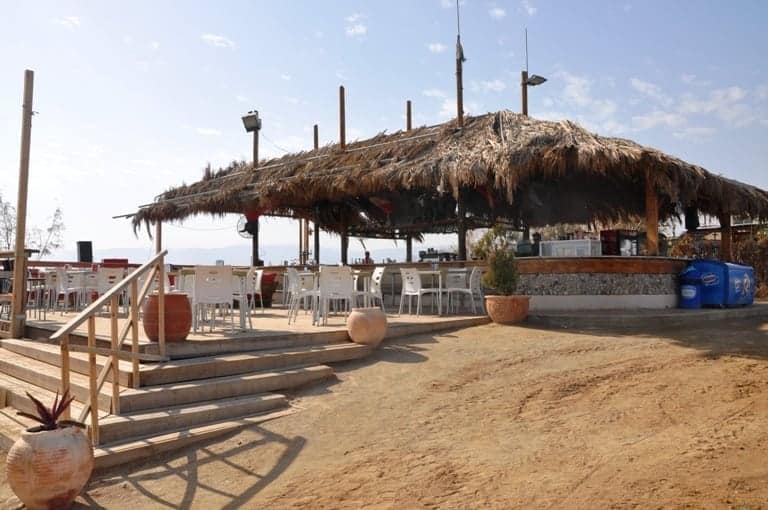
Travel to Ein Bokek, check in or store luggage, then inspect the exact beach before changing. The Ein Bokek public beach guide covers the local setup, while the Israel beach guide separates free public access from paid operators.
Use a declared beach during active lifeguard service. Enter at the marked point, sit before reclining onto your back, keep your head out and avoid splashing. Do not swallow the water; if you do, seek immediate help from the lifeguard or medic. The Dead Sea swimming rules give the full sequence.
Keep the first float brief enough to stay comfortable. Leave when your body, the lifeguard instruction, the weather or the operating window says to leave, then rinse with fresh water and change out of wet clothing before walking the promenade.
Make the evening simple. Confirm the hotel’s meal plan and opening times instead of assuming every restaurant runs the same schedule. If you are not staying in a hotel, identify dinner and return transport before the beach visit begins.
Day 2: Masada, then rest
Reserve Masada National Park and check the park notice immediately before departure. The east entrance fits an Ein Bokek base and offers cable-car access, while the Snake Path is steep and its operating window can tighten in hot weather; choosing the cable car is a planning decision, not a lesser visit.
On the plateau, focus on the Herodian palace complex, Roman siege landscape and views. Keep the historical language exact. UNESCO supports the site’s Herodian and Roman context, while the final mass-death narrative comes through Josephus and cannot be treated as an archaeological transcript of every event.
After returning to Ein Bokek, eat, shower and rest. An optional second float works only if active lifeguard service remains and everyone feels well. A property spa or day-use product is another possible swap, but confirm the exact access, treatment, pool and cancellation terms with the property. Do not describe an ordinary spa visit as medical treatment.
Masada owns the early part of day two. The afternoon is deliberately light because the desert, stairs and transport add up even when the cable car is used. A rest, meal or short supervised float completes the day better than an unplanned race to another park.
Day 3: choose Ein Gedi or Qumran
Choose Ein Gedi for a nature-focused morning. Current access remains limited after flood damage, reservations are route-specific and the open Wadi David option is much shorter than the classic full-reserve itineraries found in older guides; read the current Ein Gedi Nature Reserve guide, reserve the exact entrance and check the same-day notice.
Choose Qumran when archaeology, the Dead Sea Scrolls and a more contained visitor route fit better. Reserve the park and allow time for the displays, accessible archaeological path and viewpoints. The site connects naturally with a northbound return toward Jerusalem, but a practical route does not justify adding another beach if closing times become tight.
Do not plan both sites by default: Ein Gedi can change with weather and restoration, while Qumran has a fixed visitor window and outdoor exposure. One complete visit plus the return is a stronger third day than two abbreviated admissions.
Where to stay and whether to split bases
Ein Bokek is the default base for beach access, a hotel corridor and direct driving to Masada; Neve Zohar can suit travelers who choose a specific property south of Ein Bokek. A northern base can reduce travel to Qumran, though it usually makes Masada and the southern public beach less convenient.
Use the Dead Sea hotel guide to compare location, meal plan, beach access, cancellation terms and parking. Confirm whether a private beach means direct managed water access on your dates, and ask whether the property provides towels, accessible entry or a day-use option.
A split-base itinerary can work for travelers who prioritize Qumran or a northern paid beach, but it costs time in packing and check-in. For a first three-day visit, one base usually creates more usable time.
Transport and season adjustments
A car gives the most control for this itinerary, yet it is not mandatory if the travel-date bus network and reserved activities align. Book transport first. Review the Dead Sea transportation guide before booking accommodation; solve the arrival and departure, then add park reservations, because a park booking cannot rescue a bus connection that does not operate for your date or match the correct stop.
Check the Dead Sea weather guide each morning; in hot conditions, move outdoor sites early and protect a shaded afternoon. In rain or flood alerts, do not enter wadis or drive around closures; winter can feel more comfortable for sightseeing, but it does not guarantee open trails or pleasant water.
Use the Dead Sea packing list. It covers sun protection, dry layers, medication, documents and beach items; families should also make a separate readiness decision before deciding whether each child enters the water.
How to adapt the itinerary
- Rest-first trip: keep day one and Masada, then swap day three for a slow beach morning and early return.
- History-first trip: choose Masada and Qumran; treat the beach as a managed, limited visit.
- Nature-first trip: reserve the currently open Ein Gedi route and keep Masada by cable car or replace it with a cooler-weather desert activity.
- Accessible trip: use the Dead Sea accessibility guide to confirm the exact beach transfer, Masada route and Ein Gedi segment, then obtain current answers for the mobility equipment, assistance, parking and toilet access your group needs before committing to the route.
The Dead Sea budget guide helps compare a one-base stay, split bases and transport choices with live prices.
Frequently asked questions
Are three days enough for the Dead Sea in Israel?
Yes. Three days can cover one managed beach, Masada and either Ein Gedi or Qumran without turning every day into a race; the key is choosing one main commitment each morning and keeping the afternoon flexible, while travelers who want long spa time, both northern sites or a slow hotel stay may prefer four days.
Do I need a car for this Dead Sea itinerary?
A car makes the three-day sequence easier because parks and beaches sit along a long corridor; public transport can work when the exact travel-date routes, stops and return times align with your reservations. Solve every intercity leg before booking non-refundable activities, and avoid assuming that local taxis will fill a late connection gap.
Can I visit Masada and Ein Gedi on the same day?
It can be mathematically possible, but this itinerary keeps them on separate days because heat, reservations and current Ein Gedi restrictions make the pairing fragile. If you have only one day, choose the site that matters more. A full Masada visit plus a supervised float is usually clearer than two shortened park visits.
Where should I stay for three days at the Dead Sea?
Ein Bokek is the easiest first-time base because the managed public beach, promenade, food and many hotels share one zone; choose Neve Zohar or a northern property only when that exact accommodation or route fits your priorities better. Compare the real beach access, meal plan, parking and cancellation terms before paying.
Is Ein Gedi fully open now?
No assumption of full access is safe. The current park notice describes limited routes after flood damage, separate reservations and a challenging Wadi Arugot option; check the exact entrance and route immediately before travel, because restoration, heat and rain can change what is available between booking and arrival.
What should I book first?
Book the transport and lodging framework first, then reserve Masada and the chosen day-three park. Beach access can still require a current check even when entry is free. Keep refundable terms where possible, because park notices, weather and transport can change the best order without cancelling the entire trip.